
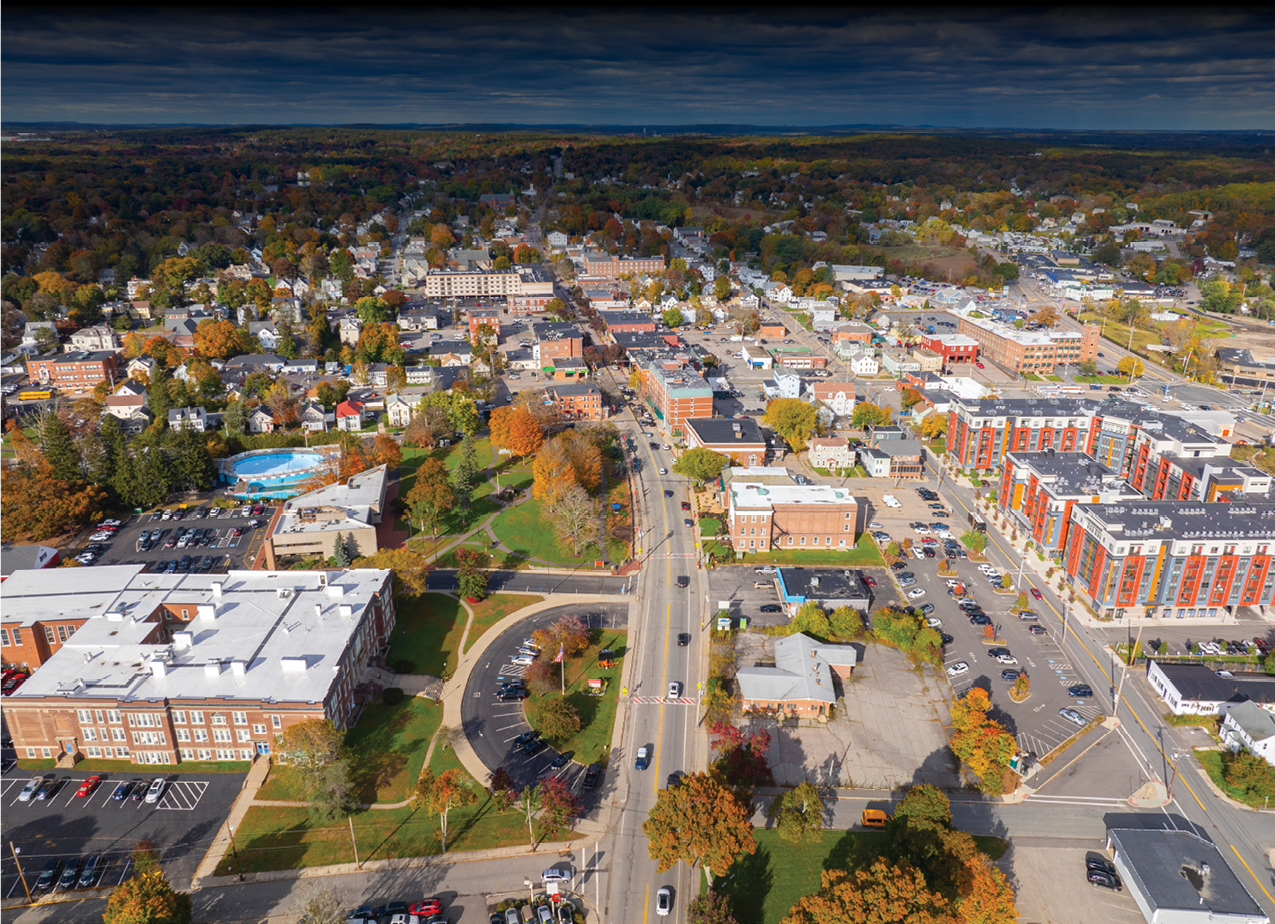
Massachusetts Dollars. Massachusetts Decisions. Massachusetts Impact.
Massachusetts taxpayer dollars should benefit every taxpayer and go toward real, pressing priorities that make Massachusetts communities work: education, public safety, parks and trails, roads and bridges, and the essential infrastructure like water and sewer.
Mass Priorities champions these Massachusetts investments and believes that transparency in how the government spends taxpayer dollars is important.
Join our campaign for smart and transparent use of taxpayer dollars in your community.
Who We Are
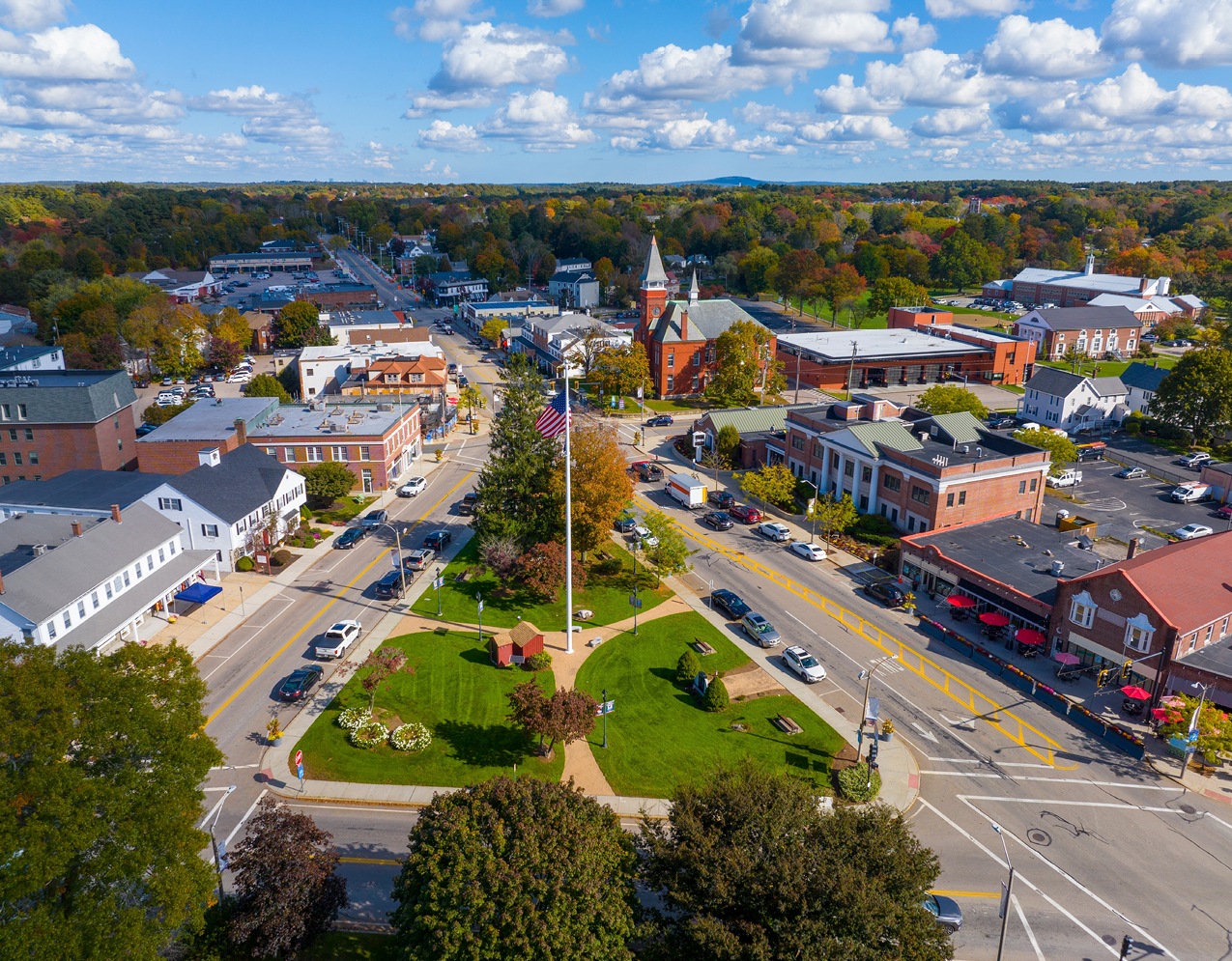
Mass Priorities is a nonprofit, nonpartisan coalition of Massachusetts residents committed to responsible local spending and transparent government. When residents get the facts, they make smarter choices about where their tax dollars go, and we’ve seen it happen. In Western Massachusetts, informed voters turned back fiber proposals worth a combined $25 million+ before they became permanent tax burdens.
Massachusetts Investments that Matter

Education
Strong schools don’t happen by accident. They’re built by communities that choose to fund them.
Public Safety
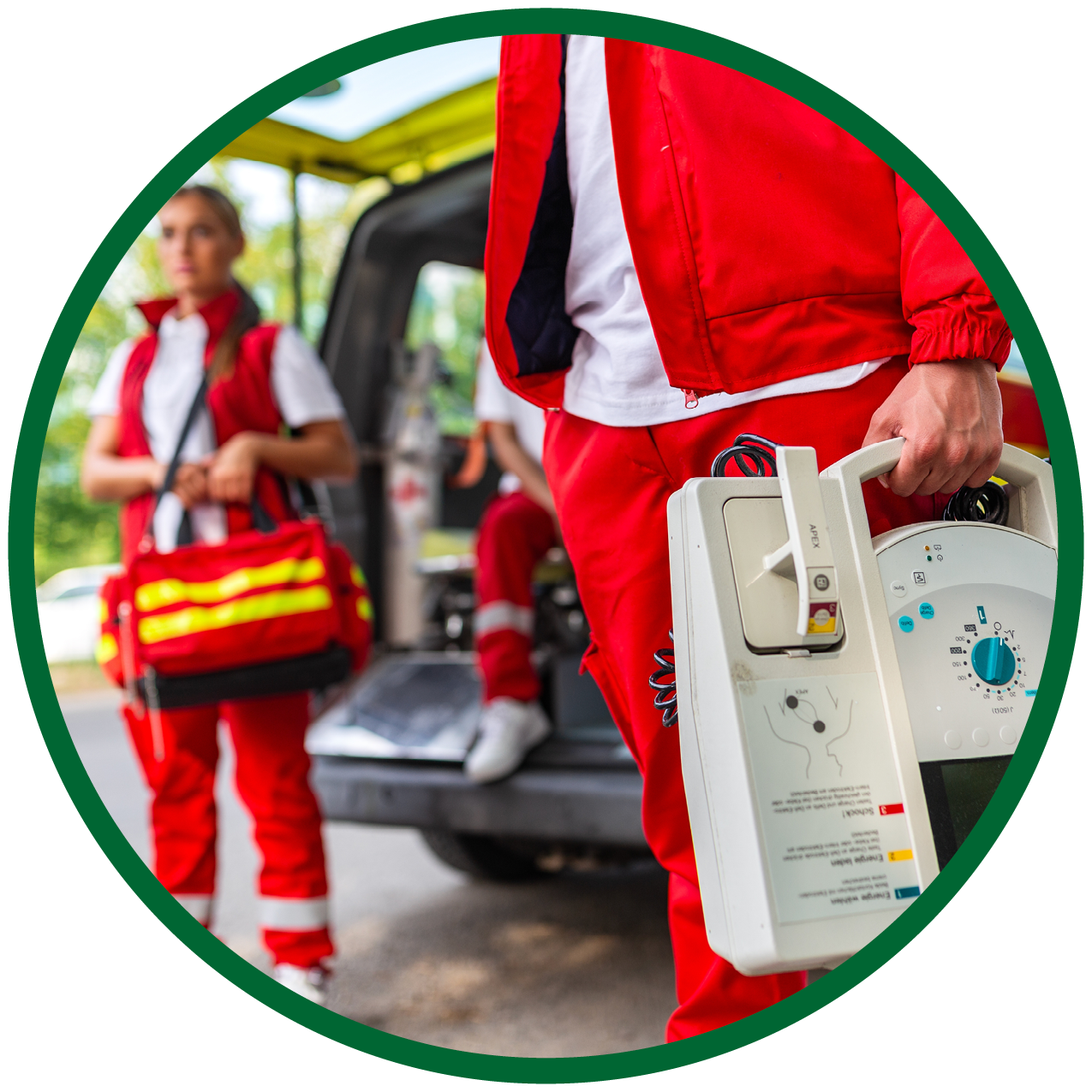
Towns that take public safety seriously protect the thing that matters most, the people who live there.
Parks & Trails
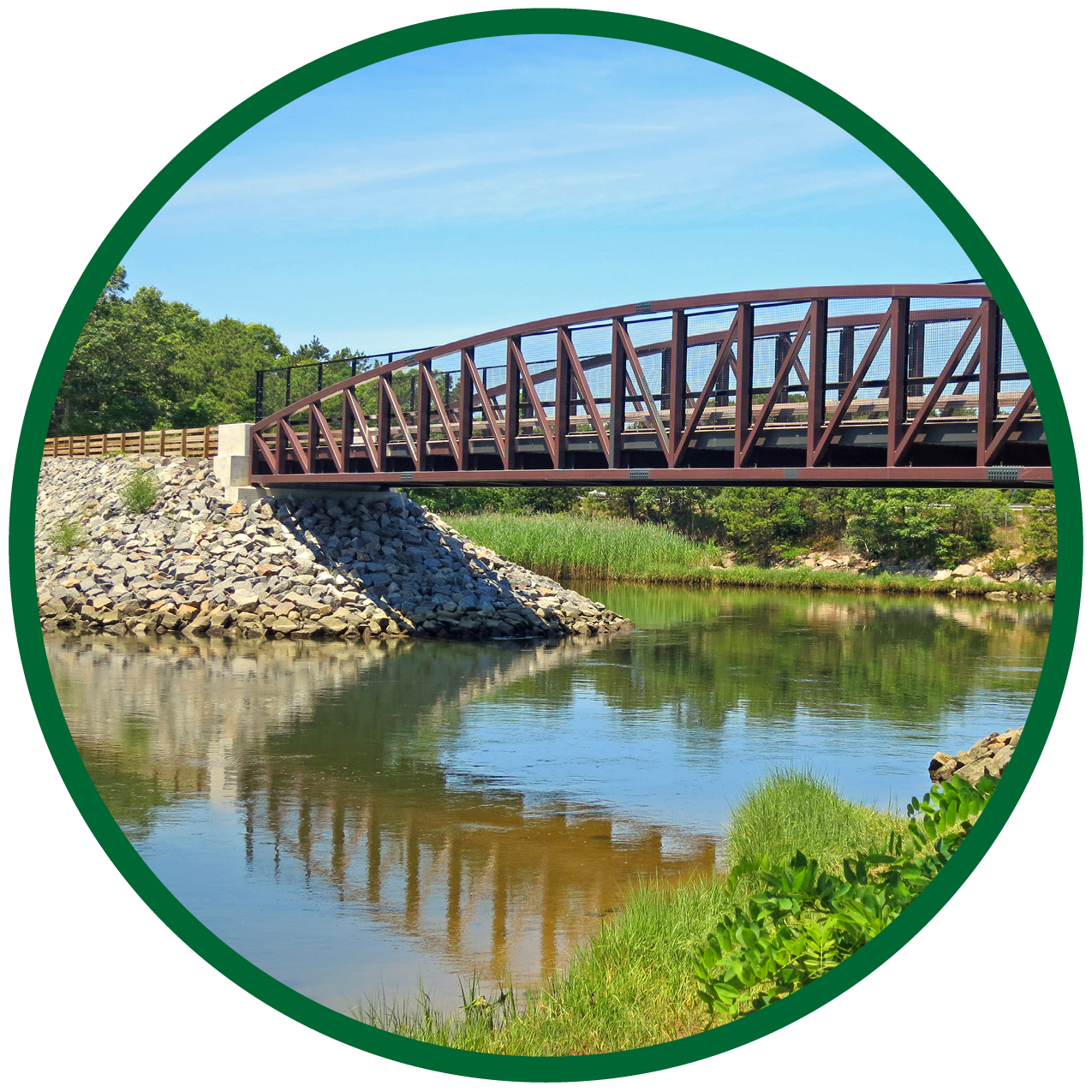
Properly funded trails and parks are what turn a place to live into a place for the community to gather.

Roads & Bridges
Better roads and bridges mean safer communities, connecting people to jobs, schools, and each other.
Water & Sewer
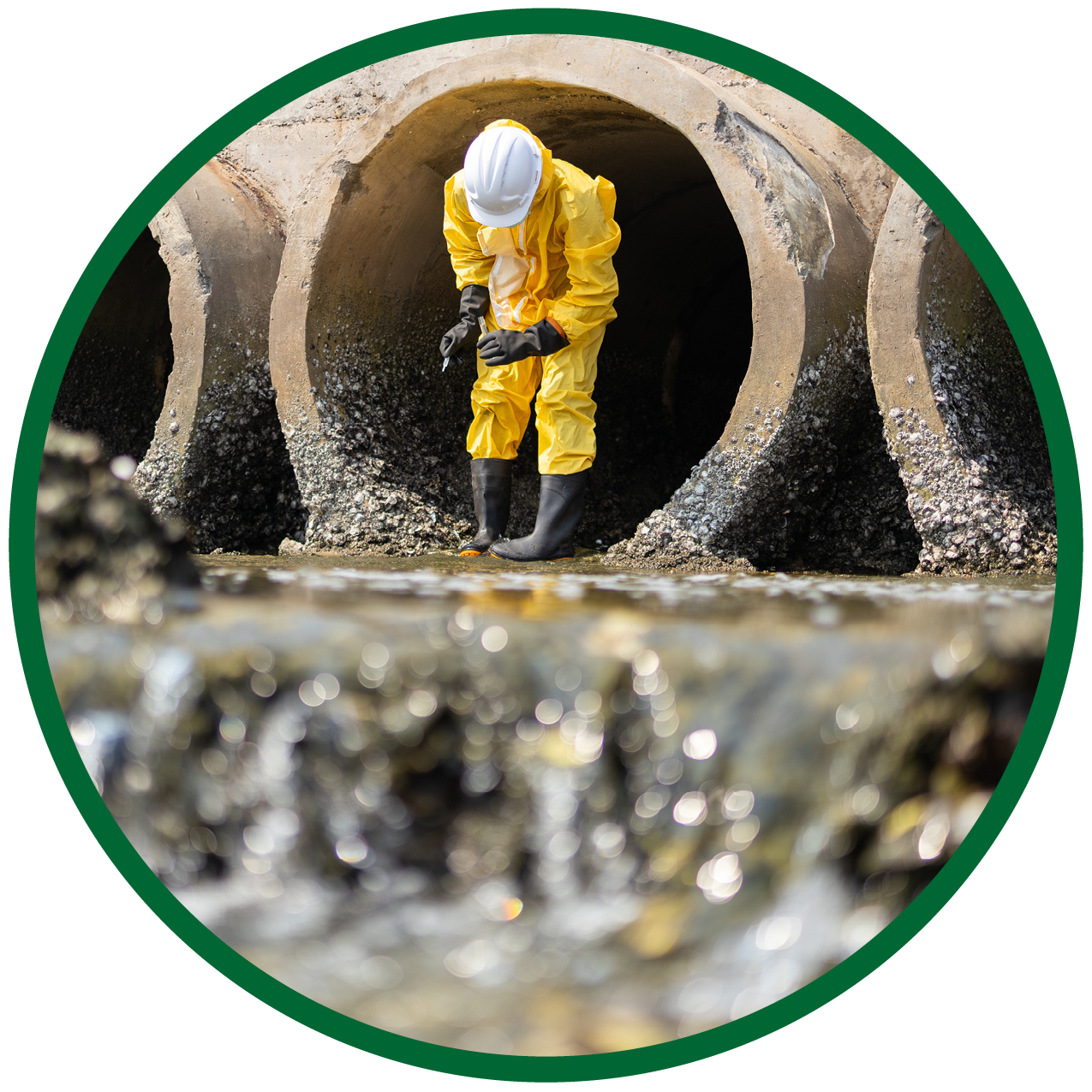
Everyone should trust what comes out of their tap. Towns that fund water infrastructure make that possible.

Transparency
A transparent government means you’re never left wondering if your tax dollars are going to the right places.
The Challenges Facing Local Budgets
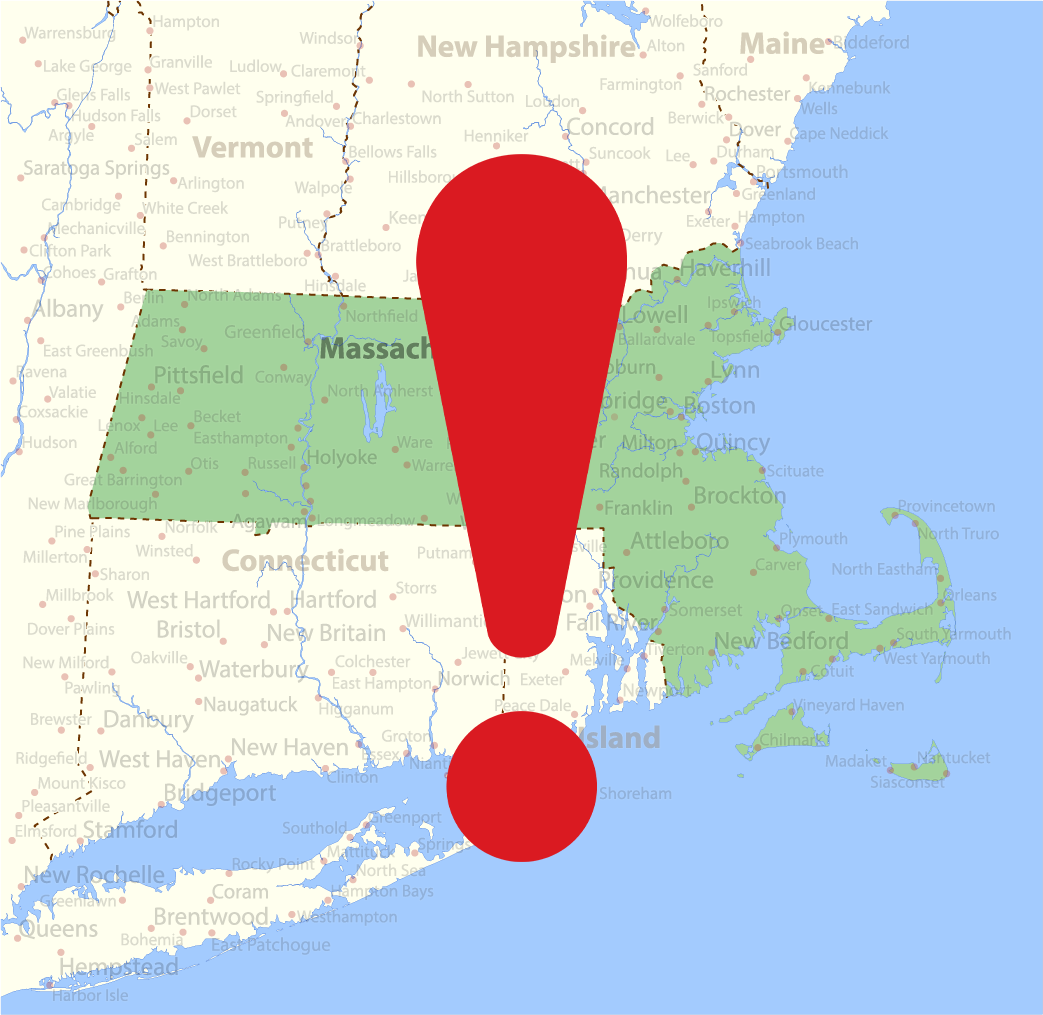
Across Massachusetts, towns and cities face growing financial pressures, including rising costs, budget shortfalls, increasing debt obligations, and demands for essential public services. Many communities are being forced to consider tax increases, budget cuts, borrowing, or reductions in core programs to balance their budgets and meet critical needs.
Despite these challenges, some local governments continue to pursue costly government-owned broadband and fiber network projects that could require tens or even hundreds of millions of dollars in taxpayer funding. Many of these projects have experienced delays, escalating costs, uncertain timelines, or questions about long-term viability.
At a time when communities struggle to fund schools, public safety, infrastructure, health services, and other essential priorities, taxpayer dollars should focus on the needs residents rely on most.